Austin Police Brutality Lawyers – Traub Law Office Legal Solutions
When protectors become perpetrators, it creates a harsh reality. This article provides an overview of police brutality in Austin, Texas. It also covers the legal claims available for victims. Our team of dedicated Austin police brutality lawyers is ready to help you. We aim to pursue financial compensation and seek disciplinary action or termination of the officer involved.
Understanding Police Brutality
Police brutality refers to the excessive use of force by law enforcement. It can take many forms. This includes physical assault, verbal abuse, racial profiling, and psychological intimidation. In severe cases, it can lead to wrongful death. Police brutality is a major public concern, especially in Austin, Texas, where high-profile cases have gained attention.
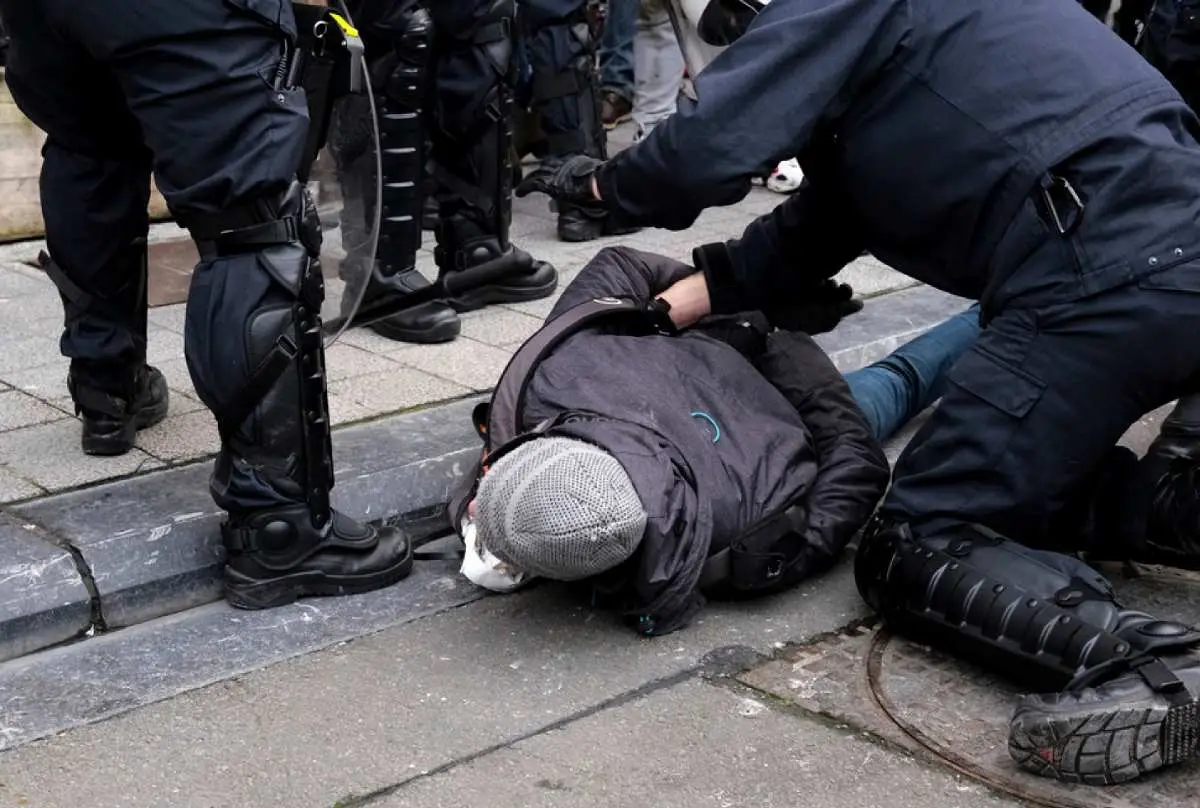
Police Brutality Incidents in Austin, Texas
Recently, Austin has seen several incidents of police brutality. One notable case involved a 42-year-old Black man. He suffered a fatal cardiac arrest after an officer used a Taser on him in 2019. Another incident involved a 20-year-old university student. They were shot in the head with a “less-lethal” round during a protest against police violence in 2020. Both cases sparked heated discussions and calls for police reform.
Legal Claims Available for Victims
If you or a loved one has suffered from police brutality, it’s important to know your rights. Victims can seek legal recourse in Austin, Texas, and the United States.
- Civil Rights Claims: Victims can file lawsuits under Section 1983 of the Civil Rights Act. This federal law protects people from constitutional rights violations by law enforcement officers.
- Personal Injury Claims: Excessive or unnecessary force by police can lead to personal injury lawsuits. These claims cover physical injuries, emotional trauma, medical expenses, and lost wages.
- Wrongful Death Claims: If police brutality causes a death, the victim’s family can file a wrongful death lawsuit. These claims seek compensation for the family’s loss and suffering.
Understanding your legal options is the first step toward justice.
Who Can File a Section 1983 Claim in Austin?
When government officials, such as law enforcers, overstep their authority, citizens have a way to seek justice. Section 1983 claims empower individuals in Austin to hold law enforcers accountable for violating their constitutional rights. This includes:
• Victims of excessive force, unlawful arrest, or other forms of misconduct by law enforcement or government representatives
• Cases where government officials act within their official capacity, abusing their power and compromising individual rights
If you’ve experienced government overreach in Austin, you may be eligible to file a Section 1983 claim and pursue the justice you deserve.
Who Can Be Sued Under Section 1983?
When government officials abuse their power, victims can seek justice by holding them accountable under Section 1983. This law applies to a broad spectrum of government officials, including:
- Law enforcement personnel, from officers to administrators
- Corrections staff, including jail and prison officials
- Public educators and administrators
- Municipal and state employees
- Anyone wielding government authority who violates constitutional rights
If a government official’s actions compromise your rights, you may have grounds for a Section 1983 claim.
What to Do If Your Constitutional Rights Are Violated
If you suspect a government official has overstepped their bounds, knowing how to respond can make all the difference. Here’s how to protect yourself and seek justice:
• Document every detail, from dates and times to witness statements and visual proof. This evidence will help you build a strong case.
• When injured, seek medical attention and keep a record of your treatment and expenses. Prioritize your health more than anything.
• Consult with a seasoned attorney who can help you navigate the complexities of Section 1983 claims and fight for the compensation you deserve.
By standing up for your rights, you’re not only fighting for yourself, but also for accountability and transparency.
Notable Civil Rights Cases Involving Police Misconduct
1. The Dallas Fake Drug Scandal In Dallas, innocent people were wrongfully arrested for drug crimes they did not commit. This case resulted in a historic $6,045,000 settlement. After legal fees, the plaintiffs received $3,590,388.
2. False Arrest and Malicious Prosecution A woman was arrested for her boyfriend’s murder, even though he had died by suicide. The City of Dallas settled for $1.2 million. The woman took home $684,604 after expenses.
3. Racial Profiling and Excessive Force Dallas police wrongfully arrested an African-American man, using racial profiling and excessive force. The case ended with a $1.1 million settlement. The plaintiff received $644,292 after fees.
4. Police Raid at a Gay Bar A raid by Fort Worth police and the Texas Alcoholic Beverage Commission at a gay bar caused serious injuries to patrons. The case resulted in a $665,000 settlement. Plaintiffs received $438,801 after deductions.
5. Wrongful Arrests for Overtime Pay Dallas officers falsely arrested people on DWI charges to earn overtime pay. This scheme led to a $433,000 settlement. Plaintiffs collectively received $259,800 after costs.
These cases show the importance of holding law enforcement accountable. Victims of police misconduct have legal options to seek justice.
Understanding Legal Disclosures in Public Media Advertisements
When discussing settlements or legal cases in public media ads, certain disclosures are mandatory to ensure transparency and compliance with legal standards. Here’s what you need to know:
- Disclosure Requirements:
- Case Details: It’s essential to describe the nature of each case openly. This includes outlining specifics about what the case involved and the legal processes undertaken.
- Client Injuries: You must disclose any injuries sustained by clients. This information provides context and demonstrates the case’s significance.
- Fees and Expenses: Clearly state all fees and expenses associated with the case. Transparency about financial obligations helps maintain ethical marketing practices.
- Compliance with Professional Conduct Rules:
- Advertisements must follow regional rules, such as the Texas Disciplinary Rules of Professional Conduct. For example, Rule 7.02(a)(2) stipulates that if an advertisement cites a gross settlement amount, related details must be disclosed.
- Access to Comprehensive Information:
- Provide easy access to a detailed account of verdicts and settlements. Link to pages where clients can view full descriptions of each case referenced in the advertisement. This step ensures that interested parties can explore the particulars of each case further.
Adhering to these guidelines is crucial for maintaining ethical standards and building trust through honest and informative legal advertising.
Why Personalized Representation Matters in Police Misconduct Cases
Every case of police misconduct is unique, with its own set of circumstances and consequences. That’s why you need a lawyer who will take the time to understand your story and fight for your rights. A personalized representation can get you:
- A tailored approach: Your lawyer will develop a strategy that fits your specific case, gathering the right evidence and working with the best experts.
- A strong advocate: You’ll have someone who will fiercely represent you in negotiations and court, making sure your voice is heard.
- Reassurance and empowerment: With a dedicated lawyer by your side, you’ll feel confident that your rights are protected and your interests are being fought for.
Having a personalized representation for police misconduct cases is significant. You can achieve a more just outcome and hold those in power accountable for their actions.
The Value of Specialized Legal Knowledge in Police Misconduct Cases
When it comes to confronting police misconduct, the nuances matter. Attorneys with deep experience in constitutional law and the complexities of qualified immunity bring more than legal credentials—they bring a strategic edge to your case.
- Navigating Complex Legal Terrain: Police brutality lawsuits often hinge on intricate legal standards. A lawyer fluent in constitutional protections knows how to pinpoint violations and craft persuasive arguments that cut through legal red tape.
- Overcoming Qualified Immunity: Qualified immunity is a powerful shield that protects law enforcement from many lawsuits. Attorneys who regularly handle Section 1983 cases and keep up with evolving federal case law—like those who’ve battled against government entities or argued before the Fifth Circuit—are well-positioned to overcome these barriers.
- Maximizing Your Chances for Justice: With a specialized advocate, you gain someone who knows how to build robust cases with expert evidence, anticipate the defense’s tactics, and leverage precedents from high-profile wins, such as those achieved by the ACLU or NAACP Legal Defense Fund.
Ultimately, having a lawyer with this level of experience means you’re not just another case on their desk. You get informed guidance, targeted strategies, and the best shot at holding the system accountable for its wrongs.
The Importance of Civil Rights Experience in Police Brutality Cases
Successfully navigating a police brutality case is no small feat—it requires more than just general legal know-how. Civil rights experience is crucial here. Attorneys with a background in civil rights law bring an in-depth understanding of the complex legal landscape surrounding police misconduct, including federal statutes like Section 1983, constitutional protections, and legal defenses such as qualified immunity.
Here’s why that matters:
- Navigating Nuanced Laws: Police misconduct cases are loaded with tricky legal hurdles. Lawyers with civil rights experience are equipped to handle the procedural twists and turns, from filing in federal court to tackling immunity defenses often raised by law enforcement.
- Strategic Advantage: These attorneys know the ropes—how to build strong cases, uncover key evidence, and leverage civil rights precedents from landmark cases (think of the ACLU’s decades of advocacy or the NAACP Legal Defense Fund’s landmark Supreme Court wins).
- Maximizing Outcomes: A lawyer seasoned in civil rights work understands the challenges victims face, both inside and outside the courtroom. This ensures clients have a true advocate who can frame the case for maximum impact, whether at trial or negotiating a settlement.
In short, working with a lawyer who’s truly versed in civil rights isn’t just helpful—it’s often a game-changer for those seeking justice after police misconduct.
What Factors Influence Compensation in Police Brutality Cases?
Several key factors impact the amount of compensation victims may receive in police brutality cases. Courts and insurance companies consider:
- Severity of the Misconduct: The more egregious the abuse—whether it involves unnecessary force, prolonged assault, or humiliation—the higher the potential compensation.
- Extent of Injuries: Compensation is often linked to the seriousness of physical injuries, such as broken bones, head trauma, or lasting disabilities. Emotional and psychological harm, including anxiety or PTSD, also play a critical role.
- Medical Costs and Recovery: Expenses for emergency care, ongoing medical treatment, therapy, and rehabilitation are weighed when determining the value of your claim.
- Impact on Daily Life: If the incident interferes with your ability to work, attend school, or maintain personal relationships, these long-term effects can increase the amount of damages awarded.
- Economic Losses: Lost wages and diminished earning capacity due to injuries are calculated into the total compensation.
- Punitive Damages: In cases of especially reckless or malicious conduct, Texas courts may award punitive damages to deter future misconduct.
No two cases are identical, but understanding these factors helps set realistic expectations as you move forward.
What Types of Damages May Be Available in a Police Brutality Lawsuit?
Victims of police brutality in Austin can pursue several types of damages through a civil lawsuit. These damages are intended to address the many kinds of harm a person may suffer when their rights are violated.
1. Economic Damages
Economic damages compensate for objective financial losses. These may include:
- Medical bills and hospital stays
- Surgery and rehabilitation costs
- Ongoing care or therapy expenses
- Lost wages from time missed at work
- Reduced earning potential in the future
If your injury keeps you from working or requires long-term medical treatment, these losses can add up quickly. Accurately documenting economic damages is essential for securing fair compensation.
2. Non-Economic Damages
Not all injuries are visible. Non-economic damages cover the less tangible—but equally real—impacts, such as:
- Physical pain and suffering
- Emotional distress and anxiety
- Loss of enjoyment of life or hobbies
These damages recognize the personal, emotional, and social costs that follow an act of brutality.
3. Punitive Damages
In some severe cases, courts may award punitive damages. These are intended to punish particularly egregious misconduct and deter future abuses by law enforcement.
Punitive damages are not awarded in every case, but when there is clear evidence of intentional wrongdoing or a pattern of abusive behavior, they serve as a strong message for accountability.
The overall value of a police brutality case depends on the extent of the harm, the evidence available, and the specific circumstances. Our experienced attorneys partner with medical professionals, financial specialists, and care planners from organizations across Austin and Texas to help build the strongest case possible and ensure you are fully compensated for all losses.
How Long Do You Have to File a Police Brutality Lawsuit?
If you’re considering legal action after experiencing police brutality, timing is critical. In Texas, the window to file most police misconduct lawsuits—whether under state law or federal Section 1983—is typically two years from the date of the incident. This statute of limitations isn’t just a technicality; it protects your rights by putting a clear deadline on when you can seek justice.
However, there are exceptions. Lawsuits against government entities or certain public officials might have even shorter deadlines, and missing these can end your chance to pursue a claim. Evidence can disappear quickly, and memories fade over time, so acting promptly is crucial.
If you believe your rights have been violated, consult an attorney as soon as possible. Moving quickly helps ensure vital evidence is preserved and your claim stays within the required timeframe. Taking action early can make all the difference in holding those responsible accountable.
How Austin Police Brutality Victims Can Seek Justice
In an ideal world, we should feel safe and protected by the police. However, incidents of police brutality happen. These events shatter trust. Victims in Austin, Texas, and their families need to understand their legal rights. Seeking help from Austin police brutality lawyers is essential. These legal professionals advocate for justice and accountability in cases of excessive force or misconduct by law enforcement.
By providing comprehensive legal support, these lawyers empower victims. They help pursue rightful compensation and hold responsible parties accountable. This contributes to efforts for fair treatment within the criminal justice system. If you are a victim, contact our experienced Austin police brutality lawyers. We can help you navigate complex legal processes and seek the compensation you deserve.

Remember, seeking justice against police brutality is not just about personal redress. It also contributes to a broader push for reform and accountability within the police force. We are ready to assist you in this fight. The expertise and dedication of our Austin police brutality lawyers offer hope to individuals and communities affected by these incidents. Their commitment to fighting for victims’ rights highlights the importance of legal representation. It is crucial for addressing systemic issues and promoting transparency in law enforcement.
Experience That Makes a Difference
Attorneys with a deep knowledge of police procedures and government operations bring a crucial edge to police misconduct cases. Their inside understanding helps them:
- Identify procedural missteps: They know common tactics and where protocols are often breached, allowing them to spot evidence of misconduct that others might miss.
- Challenge official narratives: With insight into how government entities often build their defense, these attorneys can anticipate strategies and effectively counteract efforts to minimize or obscure wrongdoing.
- Gather the right evidence: Their familiarity with internal documentation, reporting requirements, and chains of command means they know precisely which records to request and how to interpret them.
- Overcome institutional barriers: Recognizing how departments may attempt to shield their officers, they’re prepared to push back and hold institutions accountable.
Ultimately, having a legal advocate who understands the system from the inside out can level the playing field, making your case more robust and increasing your chances of a just outcome.
Trial Experience: Why It Makes a Difference in Police Misconduct Lawsuits
Trial experience can be a decisive factor in police misconduct cases. When your attorney has a strong track record in the courtroom, it sends a message to the opposition: you’re ready and able to go the distance. This reputation often prompts law enforcement agencies and their insurers to take your case seriously during negotiations.
Here’s how trial-tested lawyers can improve your chances:
- Leverage in Settlements: Insurance companies and city attorneys are far more likely to offer fair settlements when they know your legal team has the skills—and the resolve—to win in court.
- Respect From Defendants: A history of courtroom success earns respect, which can motivate defendants to address your claims appropriately rather than risk an unpredictable jury verdict.
- Thorough Preparation: Lawyers confident in the courtroom tend to investigate cases thoroughly, gather compelling evidence, and work with top-notch experts, strengthening every phase of your claim.
- Greater Accountability: Trial experience keeps the focus not just on compensation, but on accountability, ensuring that officers and departments don’t sidestep responsibility.
Ultimately, having an attorney who is poised to take your case all the way to trial, if necessary, can empower you. It often leads to better outcomes, whether through a just settlement or a successful verdict, increasing your confidence as you pursue justice.
Contact Austin Police Brutality Lawyers Now!
The Traub Law Office guarantees protection and expert legal guidance for police brutality victims. Call us at (512) 246-9191 or fill out our form for a free consultation!