
Zion Carr’s Battle with Mental Anguish in the Wake of Police Brutality
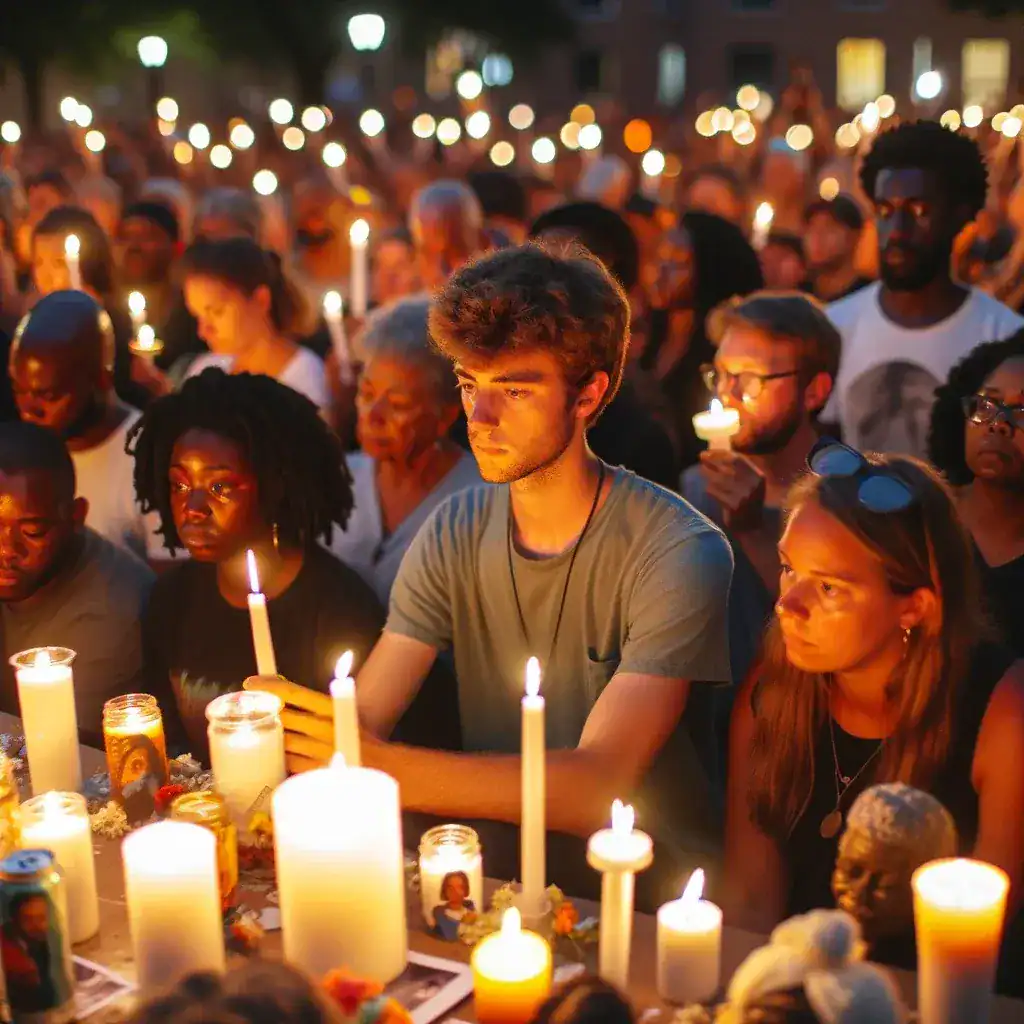
In the quiet of an early October morning in 2019, the life of 8-year-old Zion Carr was irrevocably altered. The fatal shooting of his aunt, Atatiana Jefferson, by Fort Worth police officer Aaron Dean, while responding to a welfare check, not only claimed Jefferson’s life but also inflicted deep psychological scars on young Zion.
Atatiana Jefferson, a 28-year-old African American woman, was inside her home, spending time with her nephew, when the tragedy unfolded. A neighbor, noticing an open door at Jefferson’s residence, called for a welfare check. That call set off a chain of events with implications for police accountability, racial disparities in policing, and the lasting impact on victims’ families that are still felt today.
The response from the Fort Worth Police, led by Officer Dean, was marked by a tragic misuse of force. Body camera footage revealed a harrowing scene where Dean, without identifying himself as police, shot Jefferson through a window after shouting a command to show her hands. Dean’s actions drew widespread condemnation, and he was later charged with murder and convicted of manslaughter.
For Zion Carr, the direct witness to his aunt’s shooting, the trauma was both immediate and profound. The lawsuit filed by his mother, Amber Carr, described his experience of “anxiety, terror and agony.” This tragic event, compounded by the subsequent death of his mother in 2023, deepened the mental and emotional distress faced by Zion.
In acknowledging the gravity of Zion’s ordeal, the City of Fort Worth approved a $3.5 million settlement, aimed at covering his immediate needs and future education. The settlement is also a testament to the enduring impact traumatic experiences like this have on young witnesses, and to the necessity of addressing the long-term effects of police misconduct on individuals, particularly minors.
The Fort Worth City Council’s decision to approve the settlement on what would have been Jefferson’s 33rd birthday added poignancy to the case, underscoring the ongoing impact on her family and community. Public reaction, including statements from the Fort Worth mayor and the NAACP, reflected a broader societal reckoning with the unacceptable nature of incidents like this one.
While the settlement for Zion Carr represents a measure of justice and support, it also highlights the essential need for ongoing dialogue and action regarding police conduct, community trust, and support for those affected by such profound tragedies — a reminder of the work that remains in addressing police brutality and its far-reaching impact on individuals and communities alike.
Sources: Wikipedia, “Killing of Atatiana Jefferson”; Fort Worth City Council settlement coverage.
If a loved one was harmed by police misconduct
The trauma police misconduct causes doesn’t stop with the direct victim — witnesses, especially children, can carry lasting harm too, and Texas law recognizes that. If you or a family member has been affected by police brutality or misconduct, call (512) 246-9191 or contact us online for a free, confidential consultation.
About Andrew Traub
