
Police Brutality Lawyers and Attorneys in Austin, Texas
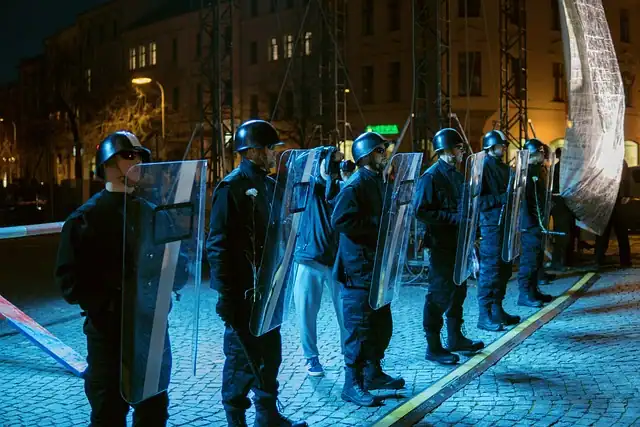
Police Brutality Lawyers and Attorneys in Austin, Texas
Police brutality — the use of excessive force by law enforcement, whether physical violence, unlawful detention, or psychological intimidation — has become a defining civil rights issue nationally, and Austin has had its own high-profile cases. If you or a loved one has been hurt by police misconduct, understanding how these cases actually work — and why they’re harder to win than an ordinary injury claim — matters before you talk to anyone else.
Why these cases are different from an ordinary injury claim
Here’s something most people don’t realize: Texas’s own state law (the Texas Tort Claims Act) explicitly excludes intentional torts — including assault and battery, which is what excessive force legally is — from the limited immunity waiver that lets you sue a government entity. In practice, that means a straightforward state-law personal injury claim against a police department usually doesn’t work. Almost every viable police brutality case in Texas is instead brought as a federal civil rights claim under 42 U.S.C. § 1983, which allows a citizen to sue an officer, and sometimes the department itself, for violating their constitutional rights. That’s a genuinely different legal track than a typical injury case, with different procedures, different defenses (most notably qualified immunity), and different deadlines.
High-profile Austin cases
Austin has seen its own share of cases that drew national attention:
- Mike Ramos — In April 2020, Ramos, an unarmed Black and Latino man, was fatally shot by an Austin police officer while seated in his car. The shooting led to widespread protests and calls for accountability and reform.
- Justin Howell — In the summer of 2020, Howell, a Texas State University student, suffered a serious brain injury when he was struck in the head by a “less-lethal” beanbag round fired by police during a protest.
Both cases illustrate a recurring pattern in police brutality litigation: the physical injury is only the starting point, and the path to accountability runs through federal civil rights law, not a simple negligence claim.
What a police brutality lawyer actually does
- Building the constitutional claim — identifying which right was violated (typically the Fourth Amendment’s protection against unreasonable seizure) and framing the case to survive a qualified immunity defense
- Investigation — body camera and dashcam footage, witness statements, and the department’s own use-of-force policies and disciplinary history
- Navigating pre-suit requirements — some claims require an internal complaint with the department or a civilian review board before a lawsuit can proceed
- Negotiation and litigation — most serious police misconduct claims in Texas settle only after being fully litigated, not through early negotiation
Choosing the right attorney
Because these cases run through federal civil rights law rather than ordinary personal injury law, look for an attorney with real experience litigating Section 1983 claims and qualified immunity defenses specifically — not just injury cases generally. Ask directly about their experience with federal court, with the qualified immunity doctrine, and with holding a municipality (not just an individual officer) accountable.
Talk to an Austin police brutality attorney
If you or someone you know has been a victim of police brutality, call the Traub Law Office at (512) 246-9191 or contact us online for a free, confidential consultation.
About Andrew Traub
