Austin Accident Lawyer: Parking Lot Accident Liability Explained
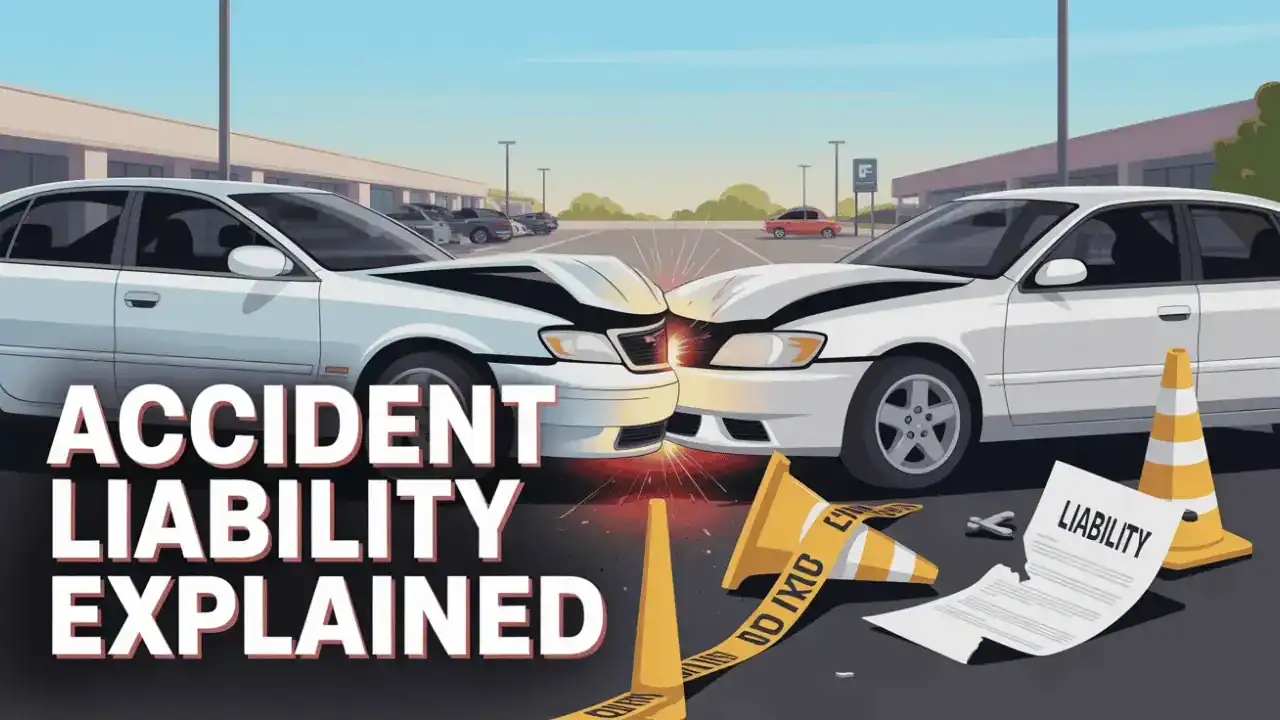
Parking lots may seem safer than busy roads, but accidents in parking lots happen all the time. From a small fender bender to a serious injury, knowing who is at fault in a parking lot accident can be confusing. These crashes can involve drivers, pedestrians, and even parked cars. Since parking lots are private property, the rules can be different than those on regular streets. This blog will help you understand common parking lot accidents, how fault is determined, and what to do next.
Common Types of Parking Lot Accidents
Many different types of car accidents can happen in a parking area. Some of the most common include:
- Fender bender in the parking lot: These often happen when two cars slowly collide while trying to park or exit.
- Reversing accidents: One of the most common parking lot accidents. Reversing accident fault usually involves a driver backing into another car or a pedestrian.
- Stop sign or lane crossing crashes: These happen when someone ignores stop signs or crosses a lane without checking first.
- Pulling out of a parking space: A driver pulling out might collide with a moving vehicle in the parking lane.
- Low-speed crashes at intersections: These occur in feeder lanes or at crossing areas inside lots, often at low speeds.
When a driver involved ignores signs or doesn’t stay alert, even low-speed accidents can lead to damage or injury.
How Fault Is Determined in Parking Lot Accidents
Determining fault in a parking lot can be tricky. Because parking lots are private property, traffic laws still apply, but they’re not always enforced the same way. The fault in a parking lot depends on:
- Right-of-way rules: Drivers in the thoroughfare or feeder lane often have the right of way. A car leaving a parking spot must yield.
- One car moving, one stopped: If only one car is moving, the moving vehicle is usually found at fault.
- Two cars moving: If both cars move, like in a shared fault low-speed crash, the blame might be split.
- Stop signs and yield signs: These signs still mean stop or yield, even in a parking area. Ignoring them can make a driver negligent.
- Surveillance or street-side cameras: Footage that captured the incident can help show what happened.
- Witnesses: People walking through a parking lot may have seen the accident occur. Their statements can help.
In some cases, security camera footage from the store or security office might provide proof to help with your insurance claim or legal case.
When Both Parties Share Fault
Sometimes, both drivers are partly to blame. Texas uses a rule called comparative negligence. This means fault is shared based on how much each person caused the crash.
For example, if one car was reversing and another car was speeding through a parking lane, both may share blame. This is called a shared fault low-speed crash. If you’re found 30% at fault, your payout could be reduced by that much.
This kind of shared blame impacts how insurance companies handle the claim. Even if you weren’t fully at fault for a parking lot crash, your insurance agent might still consider you partly responsible.
What to Do After a Parking Lot Accident
If a parking lot car accident happens to you, here are simple steps to follow:
- Exchange insurance information with the other driver
- Take photos and gather evidence, including damage to your vehicle and nearby traffic signs.
- Report the accident to the store, property owner, or security office.
- Notify your insurance agent and car insurance policy provider.
- Document medical care if there was a serious injury.
- Stay calm and don’t admit fault in an accident.
- Contact an experienced car accident attorney to protect your legal rights.
If it was a hit and run, call the police. The police may create a police report, which can help with your case.
Why You Should Speak to an Austin Car Accident Lawyer
It’s not always clear who is at fault in a parking lot accident. A skilled Austin car accident lawyer can help you figure out what happened. They understand parking lot accident laws, premises liability, and Texas traffic rules on private property.
Our team at Austin Accident Lawyer will fight for you. We only get paid if we win money for you. We even help with property damage for free.
If you’ve been involved in the accident, a lawyer can help with:
- Understanding your legal duty and rights
- Talking to insurance companies
- Getting the most from your insurance claim
- Helping you recover from physical and financial harm
Don’t wait. Contact an Austin car accident lawyer for a free consultation.
Parking Lot Accidents: Fault, Your Rights and Next Steps
Accidents that occur in parking lots can be confusing. Whether it was a reversing accident fault, a fender bender parking lot, or a shared fault low-speed crash, it helps to know your rights.
Knowing who is at fault in a parking lot accident depends on things like right-of-way, signs, and what each driver involved was doing. Always take photos, talk to witnesses, and reach out to a lawyer for help.
Being in a parking accident doesn’t mean you have to handle it alone. Our Austin legal team is ready to help you recover from the crash and get the care and support you deserve.