Jackknife Accidents
Truck Jackknife Accidents: A Guide
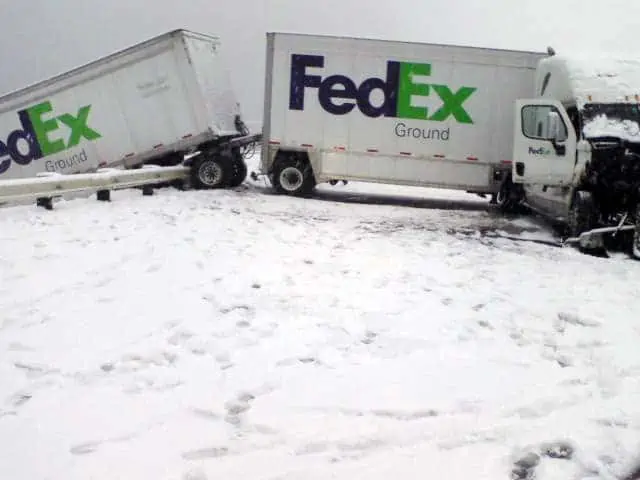
A truck jackknife accident happens when a large truck’s cab and trailer fold at the hinge point, forming a V-shape, often after the driver loses control. It’s a different failure mode than a rollover, where the truck tips over from sharp turns or high speed – in a jackknife, the trailer swings out at an angle from the cab, usually triggered by speeding or sudden braking. Both are common on highways and can cause severe injuries to occupants of smaller vehicles nearby.
Why Do Trucks Jackknife?
Sudden braking: If a fast-moving truck brakes abruptly, the trailer can skid and swing out – heavy loads make this worse. Speeding: it leaves less margin to correct a skid if the driver brakes or swerves suddenly. Road conditions: wet or icy roads reduce traction, making the trailer more likely to swing out. Quick turns: sharp, fast turns can cause the trailer to swing uncontrollably. Empty trailers: lighter trailers are more prone to skidding during sudden stops or turns.
The Large Truck Crash Causation Study (LTCCS), conducted by the Federal Motor Carrier Safety Administration (FMCSA), offers detailed data on the factors contributing to large truck crashes, including jackknife incidents. You can read the full study on the FMCSA’s Large Truck Crash Causation Study page.
Preventing Accidents Involving Jackknife
- Maintain a Safe Speed Avoid speeding, especially in bad weather. Slow down during turns and sudden stops.
- Keep a Safe Distance Stay several car lengths behind trucks. This gives you time to react if they lose control.
- Watch for Wide Turns Trucks need extra space when turning. Give them room to avoid collisions.
- Avoid Blind Spots Stay out of a truck’s blind spots. These are typically along the sides and directly behind the trailer.
- Use Anti-Jackknife Devices Many modern trucks have anti-jackknife devices. These systems help keep trailers stable during sudden stops or turns.
Modern trucks reduce jackknife risk with Anti-Lock Braking Systems (ABS) and Electronic Stability Control (ESC), which prevent wheel lockups and automatically correct direction during sudden stops or slippery conditions. Swing-limiting devices, coupling devices, and fifth wheels keep the trailer aligned with the tractor during sharp turns, while telematics and load-sensing brake regulators help catch unsafe habits and prevent wheel lockup on lightly loaded trailers before they cause a crash.
Injuries Linked to Jackknife Accidents
The sudden, sharp folding of a truck’s trailer creates intense force that can cause severe injuries to the driver and nearby vehicle occupants, including traumatic brain injuries and concussions, neck and back injuries like whiplash and herniated discs, broken bones, and spinal cord injuries that can cause partial or complete paralysis. These injuries often mean extended hospital stays, surgery, and long-term rehabilitation – and in the most severe cases, a jackknife accident can be fatal, leaving families to cope with emotional devastation and financial strain.
Determining Fault in Jackknife Accidents
Establishing fault in a jackknife accident is complex – the truck driver, the trucking company, or other drivers may share liability, and factors like speeding, poor vehicle maintenance, sudden lane changes, and road or weather conditions all play a role. A thorough investigation, often relying on black box data, driver logs, and maintenance records that can be lost or altered within days, is necessary to determine who’s responsible.
What to Do if Injured in a Jackknife Accident
- Seek Medical Help. Call emergency services immediately. Prioritize your safety and health.
- Document the Scene. Take photos, collect witness information, and note road conditions. This evidence can be useful later.
- File a Police Report. A police report provides an official record of the accident. It is critical for insurance claims.
- Consult an Attorney. An experienced truck accident lawyer can help you navigate legal claims and secure compensation for medical bills, lost wages, and more.
- Avoid Giving Statements. Do not discuss the accident with insurance companies without legal advice. They may use your words against you.
Victims can pursue compensation for medical bills (hospital stays, surgeries, rehabilitation), lost wages and diminished future earnings, pain and suffering, and loss of companionship for the emotional impact on loved ones.
Free Case Review
If you’ve been injured in a jackknife accident, contact us immediately. We’ll start gathering evidence and work to protect your rights, ensuring you receive the compensation you deserve.