
Austin Commercial Truck Accident Guide: A Step-by-Step Resource
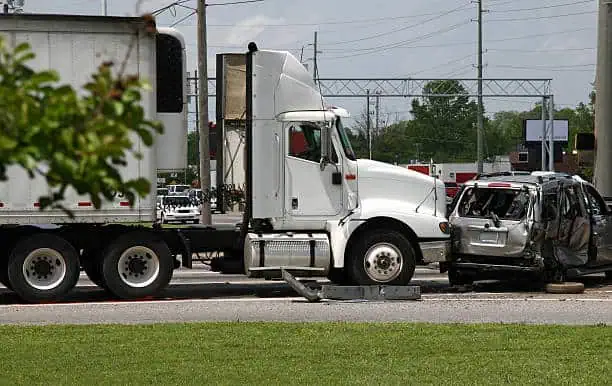
Austin Commercial Truck Accident Guide: A Step-by-Step Resource
What you do in the minutes, days, and weeks after a truck accident can determine how your claim turns out. This guide walks through each stage — from the scene of the crash through settlement or trial — so you know what to expect and what matters at each step.
Step 1: At the scene
- Call 911. A police report is important evidence, and you need medical evaluation even if you feel uninjured — some serious injuries don’t show symptoms right away.
- If you’re able to safely do so, photograph the vehicles, road conditions, any visible injuries, and the truck’s company markings and USDOT number.
- Get contact and insurance information from the driver, and contact information from any witnesses.
- Avoid discussing fault at the scene, even casually — statements made in the moment are sometimes used later to dispute a claim.
Step 2: The first 72 hours
- Follow through on all recommended medical treatment, and keep every record and bill.
- Expect the trucking company’s insurer to move quickly — large carriers often send investigators to serious crash scenes within hours. Anyone contacting you on their behalf is not working for you.
- Contact an attorney early. A truck accident lawyer can send formal preservation letters demanding the truck’s black box data and the driver’s electronic logs before that evidence is overwritten or lost in normal operations.
Step 3: Investigation
A thorough truck accident investigation typically includes the police report, the truck’s event data recorder output, the driver’s hours-of-service and electronic logging device records, the carrier’s FMCSA safety and inspection history, maintenance records, and any available dashcam or surveillance footage. Depending on the crash, an accident reconstruction expert may also be needed to establish exactly how the collision happened.
Step 4: Identifying every liable party
Depending on what the investigation shows, liability may extend beyond the driver to the trucking company, the truck’s owner if separate from the carrier, whoever loaded the cargo, a parts manufacturer, or a maintenance provider. Texas law allows more than one party to share responsibility, and identifying all of them affects how much total insurance coverage is available to your claim.
Step 5: Documenting damages
Before any settlement negotiation begins, your damages need to be fully documented — not just current medical bills and lost wages, but future medical care and lost earning capacity if the injury is permanent. This is where treating physicians, and sometimes a life care planner or vocational expert, come in.
Step 6: Negotiation
With liability and damages documented, your attorney negotiates with the insurer(s) involved. Remember that Texas’s proportionate responsibility rule (Civil Practice and Remedies Code Chapter 33) reduces recovery by your own percentage of fault, and bars recovery entirely above 50% — which is exactly why insurers often push to shift blame onto the injured party during this stage.
Step 7: Filing suit, if necessary
If a fair settlement isn’t reached, filing a lawsuit before Texas’s two-year statute of limitations (Civil Practice and Remedies Code § 16.003) expires preserves your right to recover. Many cases still settle after filing, once the trucking company’s insurer sees the case is genuinely prepared to go to trial.
Start the process with a free consultation
Every step in this guide goes more smoothly with an experienced truck accident attorney involved from the start. Call the Traub Law Office at (512) 246-9191 or contact us online to begin.
About Andrew Traub
