
Concussion Injury Mechanism

Concussion Injury Mechanism
A sudden trauma – such as the head hitting a hard surface, or an object piercing the skull – is called a Traumatic Brain Injury (TBI), and a concussion is the mildest form. In 2013, TBI injuries accounted for 2.5 million emergency room visits and roughly 56,000 deaths in the U.S., according to the Centers for Disease Control and Prevention.
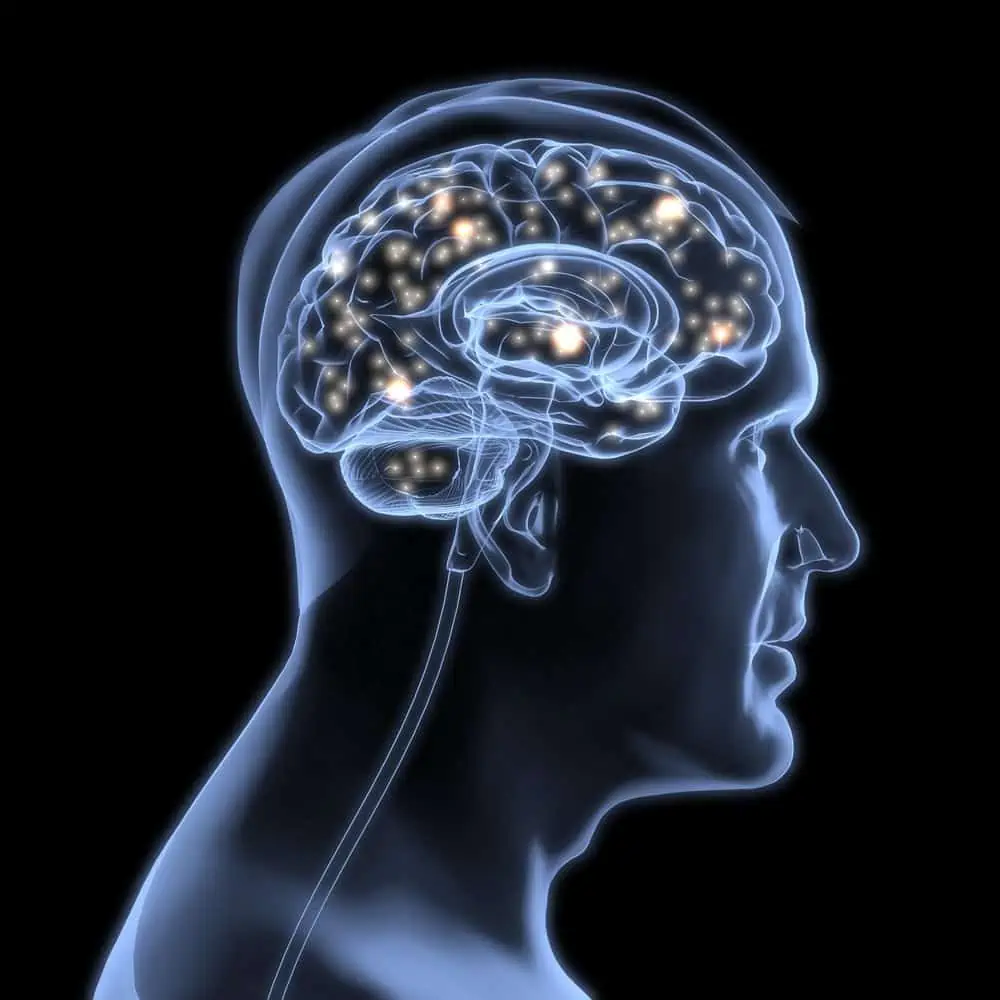
Researchers at The Ohio State University, led by Chen Gu, published a 2017 study in the Journal of Cell Biology examining what happens to brain cells in the moments after a blow to the head. They found that neurons swell within seconds of a concussive impact – much faster than previously thought – developing small, bead-like swellings along their axons, similar in appearance to the neurodegeneration seen in Alzheimer’s and Parkinson’s disease.
Using cultured hippocampal neurons – the brain region responsible for creating and storing memories – and mechanical stress that mimicked the force of a blow to the head, Gu’s team found that mechanical stress activates a channel protein called TRPV4 in the neuron’s membrane, letting calcium flood into the axon. That calcium disrupts a microtubule-stabilizing protein called STOP, which is what causes the swelling. Blocking the TRPV4 channel stopped the swelling from forming.
The good news from the study: the swelling is reversible. When the mechanical stress stops, the swelling clears within minutes and the axon recovers – a finding researchers hope could eventually point toward treatments that speed recovery after a concussion.
Contact Us
If you believe you have suffered a brain injury, call the brain injury lawyers at the Traub Law Office, P.C. today at (512) 246-9191 or fill in the form.