
What is the law regarding a dog biting someone in the dog owner’s back yard?
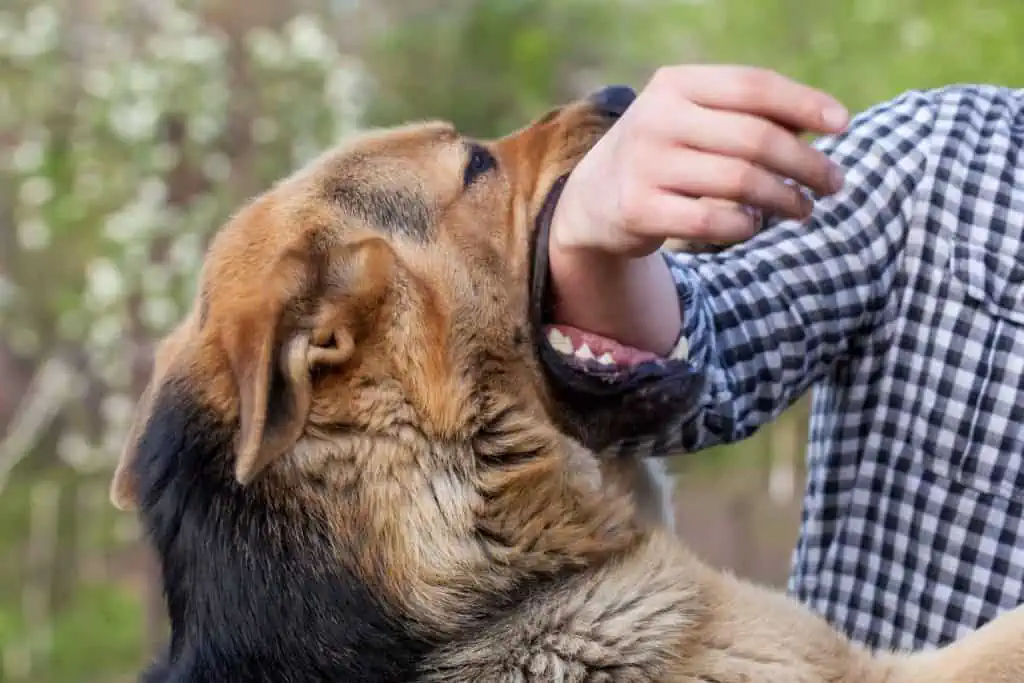
The legal framework governing liability for a dog bite occurring in the dog owner’s backyard depends on several factors, including the owner’s knowledge of the dog’s dangerous propensities, the owner’s actions or omissions, and the status of the injured person on the property.
- Strict Liability for Vicious Animals: Under Texas law, strict liability applies if the dog has dangerous propensities abnormal to its class and the owner knew or should have known of those propensities. The elements of strict liability include: (1) ownership or possession of the animal, (2) the animal’s dangerous propensities, (3) the owner’s knowledge of those propensities, and (4) the dangerous propensities being the producing cause of the injury. If the dog is known to be vicious, the owner may be strictly liable for injuries caused by the dog, regardless of whether the owner acted negligently.
- Negligence in Handling Non-Vicious Animals: Even if the dog is not vicious, the owner may still be liable under a negligence theory. The owner has a duty to exercise reasonable care to prevent foreseeable harm caused by the dog. Liability may arise if the owner breaches this duty and the breach proximately causes injury. For example, the owner may be negligent if they fail to secure the dog or take reasonable precautions to prevent harm, particularly if the circumstances suggest the dog could pose a risk (e.g., the dog is protective or territorial in its backyard).
- Foreseeability and Knowledge of Risk: Whether the risk of injury is foreseeable depends on the owner’s actual or constructive knowledge of the dog’s behavior. Even ordinarily gentle animals may pose a danger under certain circumstances, and the owner is expected to exercise reasonable care to prevent foreseeable harm. For instance, if the owner knows the dog is likely to act aggressively toward strangers entering the backyard, the owner may have a heightened duty to secure the dog or warn others.
- Status of the Injured Person: The injured person’s legal status on the property (e.g., invitee, licensee, or trespasser) also affects the owner’s duty of care. For example, an invitee (such as a mail carrier) is owed a duty of ordinary care to keep the premises reasonably safe, while a licensee is owed a duty to avoid willful, wanton, or grossly negligent conduct.
- Statutory Provisions: Texas Health & Safety Code § 822.005 imposes criminal liability on a dog owner if the owner, with criminal negligence, fails to secure the dog, and the dog makes an unprovoked attack causing serious bodily injury or death at a location other than the owner’s real property. However, this statute does not apply to incidents occurring within the owner’s backyard unless the attack involves a dangerous dog that is not properly restrained in a secure enclosure. Tex. Health & Safety Code § 822.005.
- Local Ordinances: Municipal ordinances may impose additional requirements. For example, the Rusk, Texas Code of Ordinances prohibits owners from allowing dogs with a propensity to bite or attack to run loose on their premises in a manner that endangers lawful visitors. Similarly, the Graham, Texas Code of Ordinances imposes liability for dog bites occurring on the owner’s property unless the injured person provoked the dog.
In summary, liability for a dog bite in the owner’s backyard depends on whether the dog is known to be vicious, whether the owner acted negligently, and the injured person’s status on the property. Statutory and local ordinance provisions may also influence the outcome. Each case requires a fact-specific analysis to determine the owner’s liability.
About Andrew Traub
