Premises Liability Lawyer
Austin Premises Liability Lawyer
Property owners in Texas have a legal duty to keep their premises reasonably safe — and when they don’t, and someone gets hurt as a result, the law calls that premises liability. It’s a broader category than “slip and fall”: a dangerous staircase, an unsecured parking garage, an unfenced pool, falling merchandise, a broken elevator, inadequate lighting in a stairwell — all of it falls under the same legal framework. If you were injured on someone else’s property in Austin, an experienced premises liability lawyer can help you understand whether the property owner failed to meet their legal obligations.
The Duty a Property Owner Owes You Depends on Why You Were There
Texas premises liability law sorts visitors into three categories, and each gets a different level of protection:
- Invitee — someone invited onto the property for a purpose that benefits the owner, like a customer in a store. Invitees get the highest duty of care: the owner must actually inspect for dangerous conditions and either fix them or warn about them.
- Licensee — someone on the property with permission but for their own purposes, like a social guest. The owner has to warn of or fix dangers they actually know about, but doesn’t have an obligation to go looking for hazards.
- Trespasser — someone on the property without permission. The owner’s only real obligation is not to injure them intentionally or through gross negligence — though Texas law carves out an important exception for children, discussed below.
Most premises liability cases involve invitees, since most people are hurt on someone else’s property while shopping, working, or visiting as an invited guest — which is exactly where the strongest duty applies.
What You Have to Prove
To win a Texas premises liability claim, you generally have to show:
- The property owner had actual or constructive knowledge of a dangerous condition — meaning they either knew about it, or it existed long enough that a reasonable inspection should have caught it;
- The condition posed an unreasonable risk of harm;
- The owner failed to exercise reasonable care to reduce or eliminate that risk — by fixing it, warning about it, or blocking it off; and
- That failure directly caused your injury.
The “constructive knowledge” piece is often where these cases are won or lost. A spill that happened thirty seconds before you slipped is a very different case from one that sat there for an hour with no one checking the aisle — and proving how long a hazard existed usually requires real investigative work: incident reports, maintenance logs, video footage, and witness statements.
The Exception for Children: Attractive Nuisances
Texas recognizes an important exception to the low duty owed to trespassers when the trespasser is a child and the property has something unusually enticing — a pool, for example. Under the attractive nuisance doctrine, if a property owner knows or should know that children are likely to wander onto the property because of something like an unfenced pool, they can owe a much higher duty than they would to an adult trespasser. This comes up often in swimming pool and drowning cases; see our swimming pool and drowning accident page for more.
Common Types of Premises Liability Claims
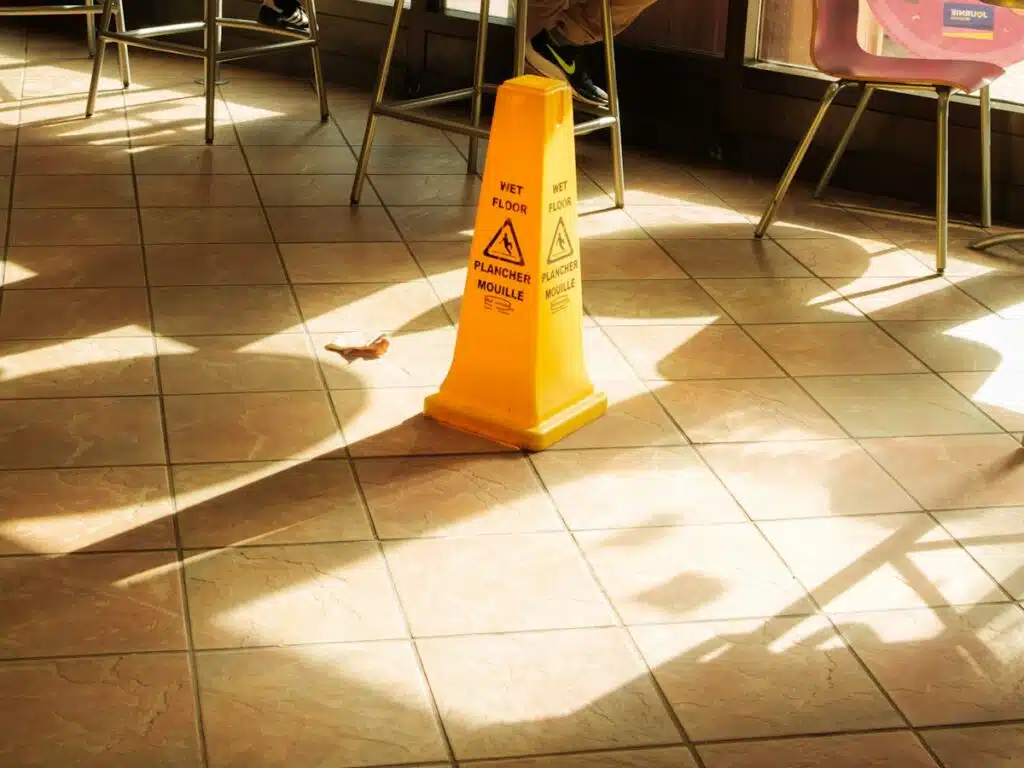
- Slip and fall accidents — wet floors, uneven surfaces, poor lighting
- Negligent or inadequate security — assaults at apartment complexes, parking garages, bars, and hotels
- Swimming pool accidents and drowning
- Falling merchandise or unsecured shelving in retail stores
- Elevator and escalator malfunctions
- Dog bites and other animal attacks (see our dog bite page)
- Structural defects — broken stairs, unstable railings, code violations
When the Property Is Owned by the Government
If you were injured on public property — a city building, a public park, a sidewalk maintained by the city — different rules apply. Governmental entities generally have immunity from lawsuits except where the Texas Tort Claims Act specifically waives it, and claims against them require formal written notice far sooner than you’d expect: the City of Austin’s charter requires written notice within just 45 days of the incident, not the two years you’d otherwise have. Miss that window and you may lose your claim entirely, regardless of how strong it is. If a government entity may be involved, talk to a lawyer immediately.
The Two-Year Deadline
Outside of claims against a government entity, Texas gives you two years from the date of your injury to file a premises liability lawsuit (Texas Civil Practice and Remedies Code § 16.003). That sounds like a long time, but evidence disappears fast — security footage gets overwritten, maintenance logs get discarded, and witnesses’ memories fade. The sooner an attorney is involved, the more evidence can actually be preserved.
Why The Traub Law Office?
Premises liability cases live and die on evidence of what the property owner knew and when — and property owners and their insurers know that too, which is why they move fast to clean up, repair, and explain away hazards after someone gets hurt. We investigate quickly, preserve what matters, and build the case connecting the owner’s knowledge to your injury. We take these cases on contingency: no fee unless we recover money for you.
If you were injured on someone else’s property in Austin, call the Traub Law Office at (512) 246-9191 for a free consultation.